Every organization has a culture. The real question is whether it’s happening by design or by default. Culture is something organizations can build, but the question for many leaders is: how?
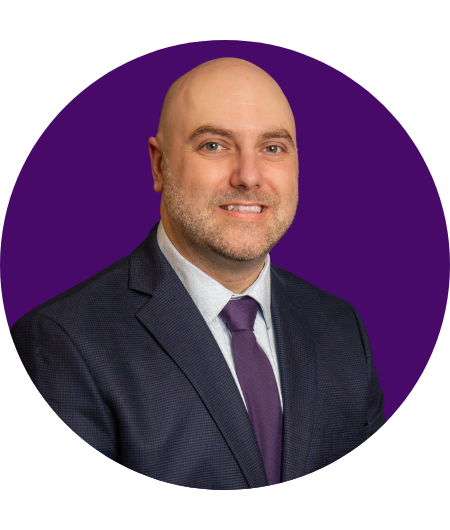
In this episode of Beyond the Class, Misty Janks, Organizational Psychologist and CEO, breaks down the Chapman Foundation’s Caring Workplace program—what it is, why it exists, and how it helps organizations intentionally build culture that supports both people and performance.
Throughout the conversation, Misty walks through the core philosophy behind the program: that culture is not defined by mission statements or values alone, but by the daily experiences leaders create for their people. She explains how the Caring Workplace program was designed to move organizations beyond developing individual leaders and instead toward building a shared, human-centered culture.
This episode then breaks down how the Caring Workplace program’s three-part approach is implemented and explains that the foundation is expanding its reach across industries such as healthcare, government, educational institutions, and nonprofits. And lastly, Misty discusses a case study of the Caring Workplace partnership with Capital Credit Union in Wisconsin, demonstrating the program’s growth and impact on their culture metrics.
LEARN MORE
TAKE THE NEXT STEP
CHAPTER MARKERS
1 – 00:00 – Culture as Strategy: Care, performance, and why it matters
2 – 02:12 – Human-Centered Culture: Definition, impact, and why it matters
3 – 05:13 – Culture and Performance: Data, risk, and real-world impact
4 – 11:12 – Empowering People: Building skills and shared language
5 – 12:48 – Equipping Leaders: Aligning teams to intentionally shape culture
6 – 15:06 – Measuring What Matters: Tracking progress and building a roadmap
7 – 19:56 – Culture Strategies: The infrastructure that makes culture real
8 – 24:44 – Case Study: Capital Credit Union in action + measurable results
9 – 30:55 – Final Reflection: Culture as a daily leadership choice
KEY TAKEAWAYS
- Culture is not separate from performance—it is the environment where performance happens.
- Strong cultures are built through consistent leadership behaviors, not intention alone.
- Human-centered cultures balance care for people with accountability and results.
- Culture identity defines the destination—culture strategies provide the road system.
- When people thrive, organizations perform—and the impact extends beyond the workplace.
AI-generated dictation of the podcast audio
Please note that this transcription was completed using AI software. Occasionally, unanticipated grammatical, syntax, homophones, and other interpretive errors are inadvertently transcribed by the software. Please excuse any errors that have escaped final proofreading.
Misty Janks 0:00
When leaders intentionally shape culture, they’re not choosing between caring for people and achieving results; they’re creating the conditions that make both possible.
Adam Salgat 0:11
Welcome to Beyond the Class: From Knowledge to Action, the audio cast that helps Chapman Foundation alumni turn skills into practical, intentional actions for everyday life. I’m your host Adam Solgott. Most organizations say culture matters, but how many of them are strategizing ways to build it? What if you could excel performance and care for your people at the same time? Over the last few years, you’ve likely heard us talk about the Caring Workplace program. We’ve referenced it in classes, conversations, and newsletters, and the reason we keep coming back to it is simple. This work could be the answer you’re looking for to the questions I just asked about strategizing care and culture, and why do we believe that? Because our program is growing, and we see the impact it’s making in 2025 alone. The Caring Workplace Program, alongside the Caring Communities Initiative, contributed to the development of over 1000 leaders through our foundational class experiences and our continuous learning sessions, and when we look at the data from those organizations, we see it reflected in how people feel. On average, team members rated their agreement with the statement, “I feel like my organization is a caring workplace” at a 4.47 out of five. Today, the caring workplace program spans across industries like healthcare, city government, military, educational institutions, and nonprofits. In this episode, we’re going to revisit our Caring Workplace initiative in depth. We are going to talk about what it is, why it exists, explain the strategy, and what it can look like for organizations working towards earning this designation. Joining me to help break all of this down is the Chapman Foundation CEO and organizational psychologist, Misty Jenks. Misty, thanks for being here.
Misty Janks 2:12
Thanks, Adam. I really appreciate you creating this space for this conversation. Our Caring Workplace program matters because we help organizations build leadership capabilities that drive performance while still showing care for their people. We equip leaders with the practical behaviors that strengthen trust, accountability, engagement, and alignment. And when those behaviors take hold at scale, they spread across teams and organizations, and a ripple effect out into their communities. This shared discipline approach to culture and results is grounded in human-centered leadership.
Adam Salgat 2:46
Would you mind expanding on that a little bit more?
Misty Janks 2:48
At its core, the Caring Workplace program is about organizational culture, helping leaders intentionally shape it, because every organization has one, whether it’s designed or not. And in the reality of day to day work, it is easy for us to lose focus of culture. What our program does is it helps leaders deliberately build a human center culture, and in doing so, we eliminate leaving things up to chance. We move common sense into common practice, and we’re beside you the whole way. Think of us as your accountability and thought partner on this journey.
Adam Salgat 3:23
Okay, so you touched on it in that last statement a bit, but before we go any further, I think it might be smart for us to get on the same page with the definition of human-centered culture. So, let me ask you, How do you define human-centered culture?
Misty Janks 3:37
When I talk about human-centered culture, I’m talking about workplaces where people are seen and valued as individuals, not just for the work that they produce. It’s when workplaces are intentionally designing leadership practices, systems, policies, and daily interactions to support both the individual well-being and the organizational performance. It is a culture where the people experience at work really matters, not just what gets done, but how it gets done, how people are treated, and how they feel along the way. In those environments, relationships are intentional, trust is built, and people feel safe to contribute and grow. There is clarity and accountability, and also care, and what we know is, when people feel supported, respected, and connected, performance improves, engagement increases, collaboration strengthens, and people are willing to take on ownership for their work. Most importantly, it is not accidental. A human-centered culture is created through the choices people make every day in how they show up for one another.
Adam Salgat 4:43
I appreciate you taking time to kind of define that for us as we move forward. The focus on building caring cultures stems from our vision statement and from our founder, Bob Chapman, who believe that we can create a society where leaders have the skills encouraged care. Misty, give me a quick history lesson. Look back and tell us, what did you start noticing about the work at the Chapman Foundation that made the Caring Workplace Initiative the next strategic step to fulfill that vision?
Misty Janks 5:13
Well, way back in 2016 when I started facilitating this program, I started noticing a pattern. We would teach leaders skills like listening, emotional intelligence, accountability, and appreciation, and they would come back with stories of really meaningful change. Relationships improved, teams communicated differently, people felt more connected and engaged. But I also noticed that when it was only one person that was learning those skills, the impact was often limited by the surrounding culture, but when entire leadership teams learned together, something different happened. They developed a shared language, a shared set of expectations, and shared accountability to how people would experience work. The change was faster, deeper, and more sustainable. Around the same time, my doctoral research in organizational psychology was exploring many of the same questions. What I found reinforced what we were seeing in practice. Culture is not built through mission statements or good intentions alone. It is built through consistent leadership behaviors that shape how people experience work every day. That realization led us to a bigger question. What if we could help organizations move beyond developing individual leaders and instead intentionally build cultures where those behaviors became the norm. Caring workplace became the answer to that question. It is how we help organizations turn caring leadership from isolated moments into a shared way of working.
Adam Salgat 6:43
Thank you so much for giving us kind of that history lesson, and a look back at what everything you were learning and going through, taking your own experience and then taking your knowledge and combining it into this caring workplace program. And these observations in your studies are also backed by research, right? So, with some data showing that poor company culture can put an organization in crisis.
Misty Janks 7:05
Yes, that is absolutely right. Here are some things to consider when we look at the importance of culture. 77% of employees consider culture before applying to a company. 47% cite culture is the primary reason they leave. Strong cultures experience a 72% lower attrition rate, and strong cultures innovate at a much higher rate.
Adam Salgat 7:28
Those stats do illustrate the importance of culture, but why does this rise to the level of urgency for you?
Misty Janks 7:34
Well, it’s like you said, a poor culture can create a crisis, and I believe the consequences are far greater than many leaders realize, people spend a significant portion of their lives at work. The experiences they have there do not stay at work, they influence stress levels, relationships at home, physical and emotional well-being, and whether people feel a sense of purpose in what they do. Think about a workplace where the culture was unhealthy. How did it affect your energy, your attitude, or even the way you showed up for the people that you care about most?
Adam Salgat 8:06
I can jump in and share kind of a personal experience about that. Until my shift started, I spent a decent portion of my day dreading it. When I was there, I was counting the minutes until I could leave. It wasn’t very uplifting. It wasn’t a very uplifting environment, and once I left, you know, I felt relieved that it was done, but sometimes I was too exhausted, or so exhausted that I didn’t even really enjoy the rest of my day. So, overall, it was relatively crummy, I’d say.
Misty Janks 8:36
Thank you for sharing that. And, unfortunately, your experience is not uncommon for generations, organizations have primarily been designed to optimize productivity, efficiency, and results. Those things matter, but what many leaders are beginning to recognize is how people experience work directly influences those outcomes. What you described is a great example. You were carrying the weight of that culture before your shift even started, then throughout the workday, and even after you went home. That is the power of culture. It shapes how people feel, how they perform, and ultimately how they live.
Adam Salgat 9:14
Yes, and you know, I know it had a lot to do with the atmosphere there, the culture, as you could say, it had a lot to do with it.
Misty Janks 9:21
Exactly, the mistake many organizations make is viewing culture as something separate from performance, as if culture is the soft side of business and the results are the hard side. In reality, culture is the environment where performance happens. Culture influences whether people speak up with ideas, whether teams collaborate effectively, whether accountability is embraced or avoided, and whether people stay and grow with an organization. When leaders intentionally shape culture, they’re not choosing between caring for people and achieving results, they’re creating the conditions that make both possible. That is why we believe culture does. There’s the same level of strategy measurement and attention as any other organizational priority, because when people thrive, organizations perform better.
Adam Salgat 10:10
Well, I can certainly say, and to give a testimonial about, you know, working for the Chapman Foundation, and us practicing what we preach. My days here are exceptional, my the times where I think about the work that I have to do doesn’t feel like work I have to do, it’s, it’s very much encouraging and uplifting, and it’s more about the work I get to do, right, and it’s much more open, and I love
Misty Janks 10:34
hearing that, it always makes me smile.
Adam Salgat 10:36
Yeah, and it’s one of those things that I think is very important, because when we talk about the ability to bring this to other organizations, we need to do it here first, right?
Misty Janks 10:45
We’re always our own proof of concept. We would never ask a partner to do anything that we do not.
Adam Salgat 10:50
That’s awesome. So, let’s begin breaking down what we do, right? So, let’s begin breaking down how the Caring Workplace Program builds strategy to help an organization focus on its culture, the Chapman Foundation has outlined a three-part approach to lasting culture change. Tell us about the first key area: empowering every team member.
Misty Janks 11:12
Yes, empowering every team member. We provide engaging learning and development opportunities designed to strengthen emotional intelligence, improve teamwork, and build a culture where everyone thrives. This is done through our foundational classes, our community listens, and our community serves. First team members attend our community listens, the first foundational class. This class is designed to help participants build better relationships and have intentional communication. This class begins creating a common language among teams, creating a sense of togetherness, which can help them directly address conflict and common communication breakdowns.
Adam Salgat 11:51
I’m glad that you mentioned that, because over my years of speaking with alumni, I’ve heard many instances where the common language has directly helped with breaking down walls of poor communication. Tell me more about our community. Serves
Misty Janks 12:04
our community serves is the second foundational class. This class focuses in on shifting from the individual lens to the group. It lays the foundation for building a culture of accountability and inspires collective success, encouraging people to work together, not just for the results, but for each other.
Adam Salgat 12:23
That is one thing I really love. As you know, someone who’s very team-oriented, it was great to think about how my personal behavior type affects teammates and listens, but then really thinking about, like, what does the depth of that look like in our community serves?
Misty Janks 12:37
Yes, it really takes us from the me focus to the, we focus.
Adam Salgat 12:42
Okay, let’s move on to the second piece of the three-part approach to create a lasting culture change.
Misty Janks 12:48
The second part is about equipping leadership teams. One of the biggest lessons that we’ve learned is that culture change rarely happens because a single leader attends a training and comes back inspired. Lasting culture change happens when leadership teams develop a shared understanding of the culture that they want to create and take collective ownership for building it.
Adam Salgat 13:08
It sounds like these next classes are really going to focus in on what it is specifically that people are going to work on.
Misty Janks 13:14
Yes, it really takes this from the me to the we to the us.
Adam Salgat 13:19
Got it.
Misty Janks 13:20
That’s where our third foundational experience, our community transforms, and our caring workplace workshops come in. This experience helps leaders move from learning individual skills to intentionally shaping the systems, processes, and daily leadership practices that influence culture. Together, they examine the six culture strategies that we’ve identified in our model, and how those strategies can be activated throughout the organization. The goal is to not simply create awareness. The goal is to create alignment. Leaders have a shared language, a practical roadmap, and clear action for embedding culture into the way the organization operates every day, because culture is not built through a mission statement alone. It is built through the consistent experiences leaders create for their people, and when leadership teams work together intentionally, culture change becomes faster, stronger, and far more sustainable.
Adam Salgat 14:17
That’s outstanding, and awesome to hear that. Like, when leadership goes through it and they start embedding these things. How impactful it can be if you had to summarize these first two parts in, you know, a simple way or an analogy of some kind. How might you do so?
Misty Janks 14:30
I think of it like a team sport. The first part is about developing the players. We help people build the skills and behaviors that strengthen relationships, communication, accountability, and teamwork. The second part is about developing the coaches. Leaders create the conditions for success by aligning strategy, systems, processes, and expectations with the culture they want to build. When the players and the coaches are working from the same playbook, culture stops being something that happens by chance and starts. Becoming something that is built very intentionally,
Adam Salgat 15:02
man. I dig that game on. Let’s go, Misty.
Misty Janks 15:06
Fair enough, but there’s still the third part about building lasting culture change that we need to talk about, and that’s measuring what matters. One of the biggest mistakes organizations make is assuming culture is too subjective to measure. The reality of it is culture is important. It deserves the same level of attention and accountability as the other business priorities. That is why we help organizations establish meaningful metrics, gather feedback, and track progress over time. We want leaders to have a clear picture of what team members are actually experiencing, what strengths exist and where additional focus might be needed, and to continue the sports analogy, this is the scoreboard. It helps you see where the team is performing well, where there are opportunities to improve, and whether the strategies you’re investing in are actually producing results. Because culture change is not about hoping things get better. It’s about measuring progress, making adjustments, and continuously improving over time.
Adam Salgat 16:08
Misty, thank you so much for breaking down the three-part approach to culture change, to lasting culture change inside of the Caring Workplace program. I hope that those listening are beginning to see how this fits together, but as we know, every organization is different. What fits a business of 15 years could be different than what fits a medical institution that needs to look at improvement of employee and patient care. It is easy to say we need to work on culture, right? It’s an easy statement to throw out there, but doing it can be overwhelming, and it could be daunting to find a good start. How does an organization know where to begin?
Misty Janks 16:48
Great question, Adam. One of the things that we’ve learned over the years is that while every organization is unique, the challenges leaders are facing are often similar. Teams struggle with communication, trust, accountability, engagement, or alignment. The question is not whether culture can be improved. The question is, where can leaders create the greatest impact first? That is why we do not begin with assumptions. We begin by listening. During our design sprints, we work alongside leaders and team members to understand the organization’s goals, culture, strengths, and opportunities. We look for existing data, gather team member feedback, and identify the areas that will create the strongest foundation for long-term success. From there, we help leaders build a practical roadmap. Some organizations begin by strengthening trust. Others focus in on intentional connection or accountability. The path may look different, but the goal is always the same: creating a culture where people and performance can thrive together. And importantly, we do not just hand over a plan and walk away. We meet regularly with the organization’s project team throughout this whole process, helping them translate strategy into action, measure progress, celebrate wins, and navigate the challenges along the way.
Adam Salgat 18:17
Let’s get into some of the deeper details, because I know there’s opportunity here for those that really like those details to learn more, so can you tell me about the design principles that you just talked about, and the kind of information that we like to gather to start guiding these strategic decisions.
Misty Janks 18:35
Absolutely, this is where I really geek out, so one of the things that I’ve learned through both my work as an organizational psychologist and my dissertation research is that many culture frameworks answer one important question, what culture do we want? Organizations spend a lot of time defining their values, mission, purpose, strategic priorities, and the experience they want people to have at work those conversations matter because every organization should define their own unique culture, but here’s the second question that is often overlooked. How do leaders actually create that culture? Because culture doesn’t become real throughout the mission statement or value posters on a wall or at that leadership retreat, culture becomes real through leadership behaviors, team members’ experiences, systems, processes, and the reinforcement of those, and that is where our work is different. We’ve identified six culture strategies that help leaders intentionally create and sustain healthy cultures, so those strategies: intentional connection, trust, and psychological safety, a culture of learning, accountability, appreciation practices, and meaningful work. It is important to understand that these are not cultured labels, they are culture-building mechanisms.
Adam Salgat 19:56
I’m super intrigued for you to break that down further, because just calling them culture labels. Bulls feels like, oh, we can just slap that on something, and we’re good with it, but calling it a mechanism kind of implies to me that there’s work to be done, or a tool that you can use it as a tool, right? So, what do you mean by culture building mechanisms?
Misty Janks 20:13
Yes, you’re absolutely on point, Adam. Think about three very different organizations. A hospital may want a culture that is compassionate, patient-centered, and collaborative. A manufacturing company may want a culture that’s focused on safety, operational excellence, and continuous improvement. An IT startup might want a culture that’s innovative, agile, and entrepreneurial. Those cultures look very different on the surface, but underneath them, leaders still need people to trust one another. They still need strong relationships. They still need accountability, learning, appreciation, and meaningful work. The culture identity changes. The culture building strategies remain remarkably consistent.
Adam Salgat 20:58
So, the six strategies that you just named, those are not culture itself, per se.
Misty Janks 21:03
Exactly, I think of culture as having two levels. The first is culture identity. This is where organizations answer the questions like, Who are we? What do we want to stand for? What experience do we want people to have? What behaviors define success here? What makes us different? The answers become their values, mission, purpose, cultural commitments, and strategic behaviors. Every organization’s identity should be unique.
Adam Salgat 21:30
That makes sense. And I’ve been a part of different organizations where those elements were defined, but maybe the culture, like I explained earlier, was not healthy. So, what is the second level of culture.
Misty Janks 21:42
The second level of culture is infrastructure. This answers a different question. How do we create and sustain that culture? This is where the six strategies sit. They are the infrastructure beneath the culture. Without them, failures stay aspirational, mission stays theoretical, culture becomes inconsistent with them. Culture becomes operationalized.
Adam Salgat 22:05
Man, that feels like an important distinction.
Misty Janks 22:08
I think it is. Our model does not tell organizations what culture they should have. Instead, it provides a leadership practice that allows an organization’s desired culture to become a reality. This is why these strategies work across healthcare, education, government, manufacturing, nonprofits, military organizations, and private industry. The destination may be different. The road system is remarkably similar.
Adam Salgat 22:36
I really like that analogy, the idea that be traveling a similar path, but your destination can be a different goal, right.
Misty Janks 22:43
Absolutely, it is the simplest way I know how to explain it. The organization’s values define the destination, where we’re going, right. The six culture strategies provide the road system that helps people get there, and once the organization has defined its culture. Our role is to help them assess where they are today, identify opportunities for growth, and intentionally embed those six strategies into daily leadership practices.
Adam Salgat 23:12
How do we help them along the way? I know this was the third part, where it was measure what matters, but how do we.. what are we doing specifically to help keep an organization on track.
Misty Janks 23:23
Well, we help them measure progress over time by utilizing pulse surveys. Organizations complete regular pulse surveys throughout the year to understand how team members are experiencing the culture. Those surveys give leaders leading indicators of progress rather than waiting until challenges show up through turnover, disengagement, conflict, or performance issues. The data helps leaders stay intentional, celebrate progress, and make adjustments where needed. Ultimately, our goal is not simply to help organizations define a great culture. Our goal is to help them build and sustain a great culture, the
Adam Salgat 24:05
At the beginning of the audio cast, I mentioned the number of people that we’ve impacted through this work, and the idea of what sectors we’re working in to help organizations build a culture. Let’s make this real now, because we’ve been talking about it at a high level, and kind of explaining a lot of ways that we’re making this happen, but our listeners might be asking, what does this actually look like inside of an organization? Like, truly, can we point to any case studies, any work we’ve been doing? And one example that we can point to is Capital Credit Union, based in Green Bay, Wisconsin. Can you walk us through what’s been happening with them?
Misty Janks 24:44
Capital Credit Union is a great example, because they came into this work with a very clear intention. They employ over 470 people, and they wanted to develop leaders who truly listen, lead with care, and make that experience tangible for both their team members and the. People that they serve. What is important is they did not approach culture as a single initiative or a training event. They embedded the Caring Workplace program into how they operate, that included leadership development, onboarding, ongoing learning, and even how they engage with their community.
Adam Salgat 25:17
What was the first step for them to get started with the Chapman Foundation,
Misty Janks 25:22
the journey started with our foundational classes. First, team members participated in our community listens, where they learned intentional communication and connection skills. They developed a deeper understanding of themselves and others, learned how to listen more effectively, communicate clearly, and build stronger relationships. This creates a common language across the organization and strengthens the foundations of intentional connection and trust. Next, participants attended our community serves, which focuses on emotional intelligence, accountability, and service to others. Team members learned how their behaviors impact those around them, how to navigate challenges more effectively, and how to move from a mindset of individual success to shared success. This strengthens accountability, collaboration, and ownership throughout the organization.
Adam Salgat 26:13
So, what you just discussed there is the first part of the three-part series of how to create a lasting culture change, right? Empower every team member
Misty Janks 26:21
exactly,
Adam Salgat 26:22
and so the second part, can you remind us what that is? And then tell us how Capital Credit Union continued to do that.
Misty Janks 26:29
Yes, the second way is empowering leadership teams, so their leaders started participating in our community transforms, where they learned how to intentionally build culture through the six culture strategies, they explored how to embed those behaviors into leadership practices, systems, processes, and daily interactions, so culture becomes something people consistently experience, rather than something that simply exists in their mission statement.
Adam Salgat 26:57
From that point on, after they’ve kind of been through this, and they’re thinking about culture. What is the next step for them?
Misty Janks 27:03
From there, we partnered with Capital Credit Union to identify priorities, measuring progress through those pulse surveys, and supported leaders as they translated those concepts into action. What makes their story so powerful is they did not simply train people, they created a shared approach to leadership and culture that became part of how the organization operates every day.
Adam Salgat 27:25
I think that last statement is what we’ve kind of already spelled out, but I want to mention that, mention it again. This is not a one and done training, right? This becomes part of how an organization functions.
Misty Janks 27:36
Yes, exactly. Over time, that translated into stronger trust, higher engagement scores and reinforce leadership behaviors that were already aligned to their values.
Adam Salgat 27:47
You know, what’s fun for me right now is that I can say to you, you mentioned higher engagement scores, and we can actually tell our listeners what those are. So, tell me about the data, tell me about those higher engagement scores
Misty Janks 28:00
after going through the program, their team members rated the organization a 4.69 out of five as a caring workplace, but what’s also powerful is what showed up across key engagement indicators from 2024 to 2025 While actively in the program, they saw measurable increases across areas that really matter to culture and performance. Engagement increased by 3.5% meaningful work increased by 6.8% and trust increased by 6.4% Recognition improved by 5.6% and communication increased by 1.3%
Adam Salgat 28:44
so when we talk about human-centered culture driving performance, I’d say those stats and that research and that work done at Capital Credit Union is what we’re seeing, right?
Misty Janks 28:54
That’s right, those numbers tell a big story. When people feel valued, when they feel trusted, when they find meaning in their work, those experiences translate directly into stronger engagement and better outcomes. And in an industry like financial services, where trust is everything, that internal culture becomes a direct reflection of how they serve their members.
Adam Salgat 29:17
I love one of the quotes from their CEO, Laurie Butt. It really stood out to me, and she stated the caring workplace designation tells the world what you can expect here, and we hold ourselves to that every single day. It’s not just them working towards a designation, it really is about their work on a day-to-day basis.
Misty Janks 29:36
It isn’t about achieving something once and moving on, it’s about building a culture that can be practiced and sustained over time. Capital Credit Union shows us that care isn’t just a value you talk to your people about, it’s something you can build, measure, and live in a real way, you.
Adam Salgat 30:00
Hi, Misty. It’s been a pleasure today to discuss our Caring Workplace program with you. If we have a listener who is interested in learning more and wants to talk to us about the possibility of implementing the Caring Workplace program at their organization, what would they do next?
Misty Janks 30:16
We have more information on our website, including a downloadable PDF with information that you can share with your greater leadership team, and on that page is a form to contact our team. When you submit your information, it goes directly to our Caring Workplace team, and they’ll reach out to you within just a couple days.
Adam Salgat 30:35
Thank you for sending us in the right direction. And I will be sure to put a link in the description of the audio cast for anyone who is interested. As we close, as I like to do at the end of each audio cast, no matter the subject or whatever we’re talking about, I love the opportunity for you to leave our audience with some reflection.
Misty Janks 30:55
I would leave leaders with this thought: every organization already has a culture. No one questions that the question is whether it is being shaped intentionally. Many leaders spend time defining their vision, values, and strategic priorities. Those things matter, but culture is ultimately built through everyday leadership behaviors. It is built during the conversations, the decisions, the feedback. What I hope leaders take away is that culture is not separate from performance. It is one of the primary drivers of it. The organizations that thrive over time are not the ones that leave culture to chance. They are the ones that intentionally create environments where people can do their best work, where they can grow, contribute, and feel that what they do matters. Because when people thrive, organizations thrive.
Adam Salgat 31:49
Misty, thank you so much for a great conversation today.
Misty Janks 31:52
Thank you, Adam. It’s always a pleasure to be here with you.
Adam Salgat 31:55
Until next time, I’m reminding our listeners to walk your path with intention, because you are the message. Take care, my friends.